A Practical Implementation of Blended Diets for Healthcare Professionals Webinar

- 23/03/2021

Video description
Nestle Health Science are delighted to share with you the second webinar in its series covering ‘Emerging Trends in Blenderised Diets’. This free CPD event focuses specifically on the practical challenges that Healthcare Professionals face in supporting parents, carers and families through their journey in using blenderised diets as a source of nutrition for their child.
Nestle Health Science are delighted to share with you the second webinar in its series covering ‘Emerging Trends in Blenderised Diets’. This free CPD event focuses specifically on the practical challenges that Healthcare Professionals face in supporting parents, carers and families through their journey in using blenderised diets as a source of nutrition for their child.
Chaired by Dr Su Bunn of The Royal Aberdeen Children’s Hospital, a range of topics will be covered including:
- Feeding tubes; what type of tube is best and top tips to overcome problems such as tube occlusion
- Using blenderised diets in the community and how to conduct a risk assessment with your patients
- Case studies; how blenderised diets have been successfully used in real patients
Download your CPD reflection tool here
Download the slide deck here
BDA endorsement applies only to the educational content of the learning activity.
Participants
-
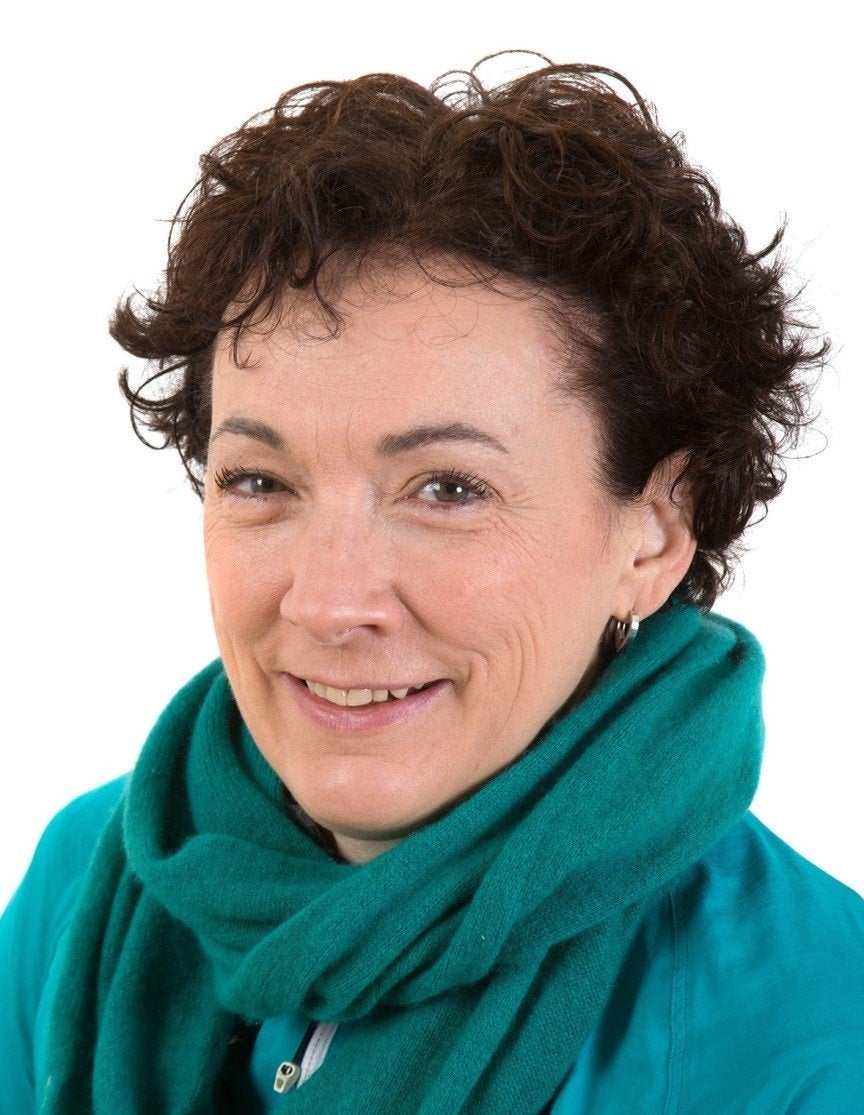
Su Bunn
-

Denise Kennedy
-
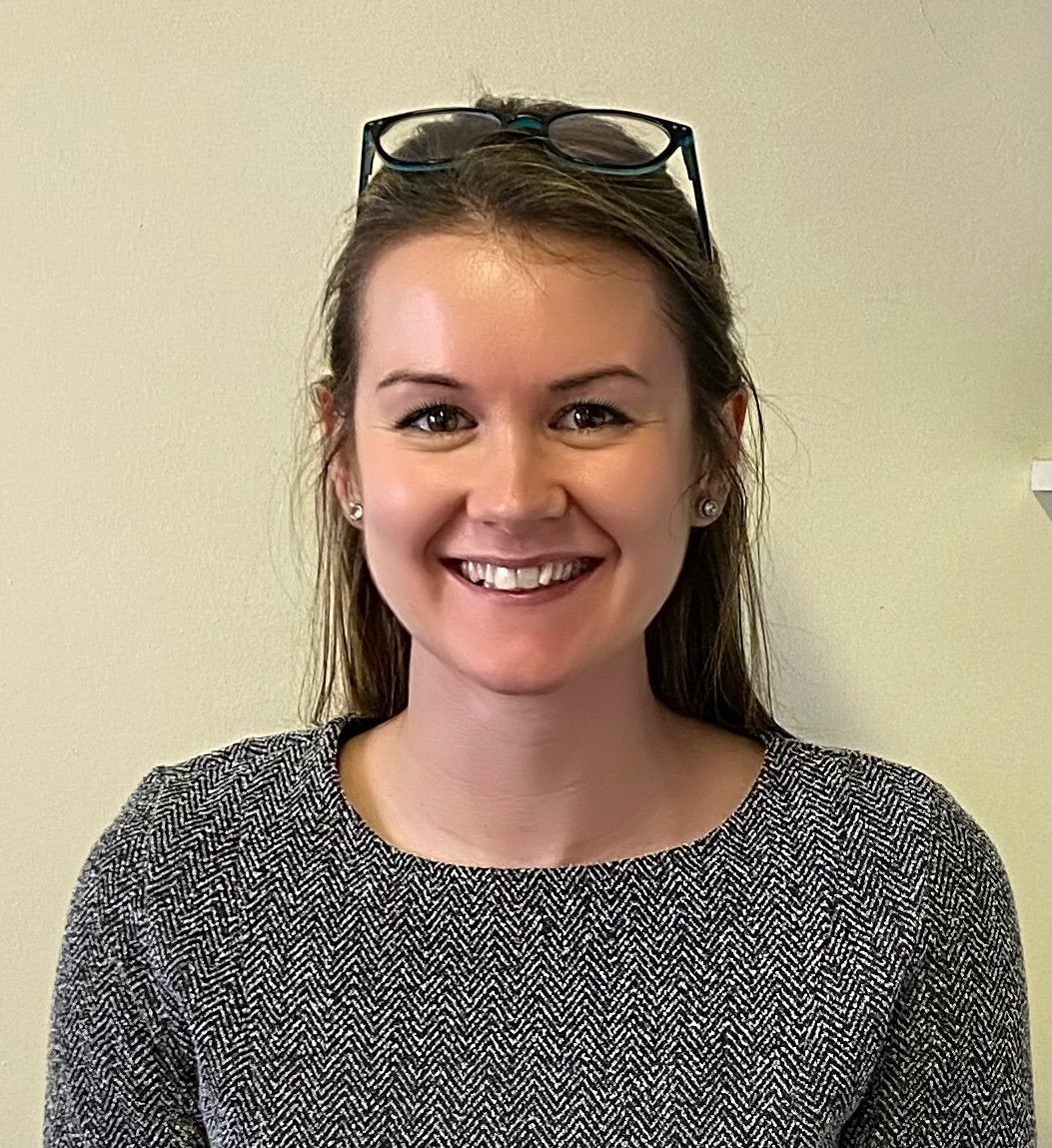
Vicki Steele
-

Clare Armstrong


